








Introduction
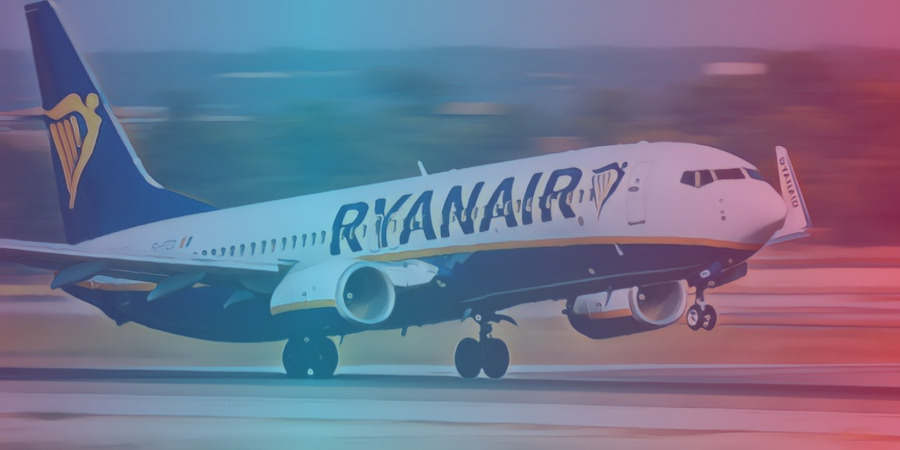
Ryanair, Europe’s largest low-cost airline, recently won a court case against the German government’s 9 billion euro bailout of rival airline Lufthansa. Ryanair argued the bailout gave Lufthansa an unfair advantage and distorted competition. This article explores the court ruling, Ryanair’s objections to the bailout, the impact on competition in the airline industry, and the future implications.
Court Rules Bailout Illegal
In June 2022, the European Union’s second-highest court ruled that Germany’s bailout of Lufthansa violated EU competition rules. The European Commission had approved the bailout in June 2020 to keep Lufthansa solvent during the COVID-19 downturn. However, Ryanair objected and sued in the EU General Court arguing the bailout constituted illegal state aid.
The court agreed, stating that the Commission failed to properly examine the aid measures. Specifically, they did not assess if the bailout’s recapitalization measures were in line with market conditions. The judges declared the Commission’s approval of the bailout “annulled.” This court win supports Ryanair’s longstanding objections to state aid for national carriers.
Ryanair’s Objections to Lufthansa Bailout
Ryanair vocally criticized the Lufthansa bailout from the beginning, labeling it “illegal” and an “unprecedented distortion of competition.” They claimed it would allow Lufthansa to unfairly boost capacity and undercut efficient airlines on price.
Specifically, Ryanair’s CEO Michael O’Leary said the aid would give Lufthansa unfair cash reserves to fund below-cost selling. This could squeeze smaller carriers out of the market who lack such state support. He also objected to Germany taking a 20% stake in Lufthansa, saying governments should not interfere this way.
Ryanair argued state bailouts remove incentives for dominant airlines like Lufthansa to cut costs and improve efficiency. Ryanair itself made COVID-related cuts to stay solvent without direct government aid. The bailouts, Ryanair said, subsidize bloated inefficiencies instead of supporting competition and consumer choice.
Impact on Airline Competition
The court ruling could shake up competition between European airlines. Without the bailout funds, Lufthansa may struggle to keep up with leaner budget carriers like Ryanair as air travel recovers.Ryanair and other airlines may gain market share, especially on intra-European routes.
However, the court did not demand Lufthansa return the billions received. So Lufthansa still retains a liquidity advantage over rivals. Nonetheless, the ruling may deter disproportionate state support to national carriers in future airline industry downturns.
Some analysts say the ruling highlights how bailouts can negatively impact competition. State aid helps recipients gain market power and inhibit economically efficient rivals. The court reaffirmed that competition policy should promote consumer welfare, not prop up dominant incumbents.
Future Implications
The court ruling has broader implications for European airline competition policy. It sends a signal that state aid for struggling national carriers requires proper scrutiny. Handing billions to companies like Lufthansa without strict conditions risks undermining market competition.
Going forward, Ryanair wants bailout rules enforced. Any state aid, they argue, should come with strings attached. Recipients should be required to give up airport slots and make other pro-competition concessions. This would prevent market distortion.
The court decision gives budget airlines like Ryanair more clout to challenge future state bailouts. However, some analysts think a more consolidated airline sector with fewer carriers may emerge post-pandemic. This could reduce competition long-term.
Additionally, the ruling creates uncertainty for Lufthansa’s restructuring plans. To return the aid, they may need to make painful workforce and fleet cuts. But first, the German government and Lufthansa can appeal the court judgment.
Overall, the court win aligns with Ryanair’s open market and anti-subsidy stance. But Europe’s airline competitive landscape remains fluid as recovery continues from COVID’s unprecedented impacts. This landmark ruling will shape policy discussions going forward.



Add Comment